Home → Snorkeling & boat trips
Snorkeling & boat trips from Maalaea
Maalaea is a boat-snorkeling town, full stop. Its own shoreline is sand and harbor, but three miles offshore sits Molokini Crater — a half-sunk volcanic crescent whose sheltered bay holds some of the clearest water in Hawaii — and this harbor is the crater's front door. The fleet at the slips runs to it every calm morning. Here's how the boats differ, and the one rule that governs all of them: they leave early, because the wind is coming.
Why Molokini, and why from here
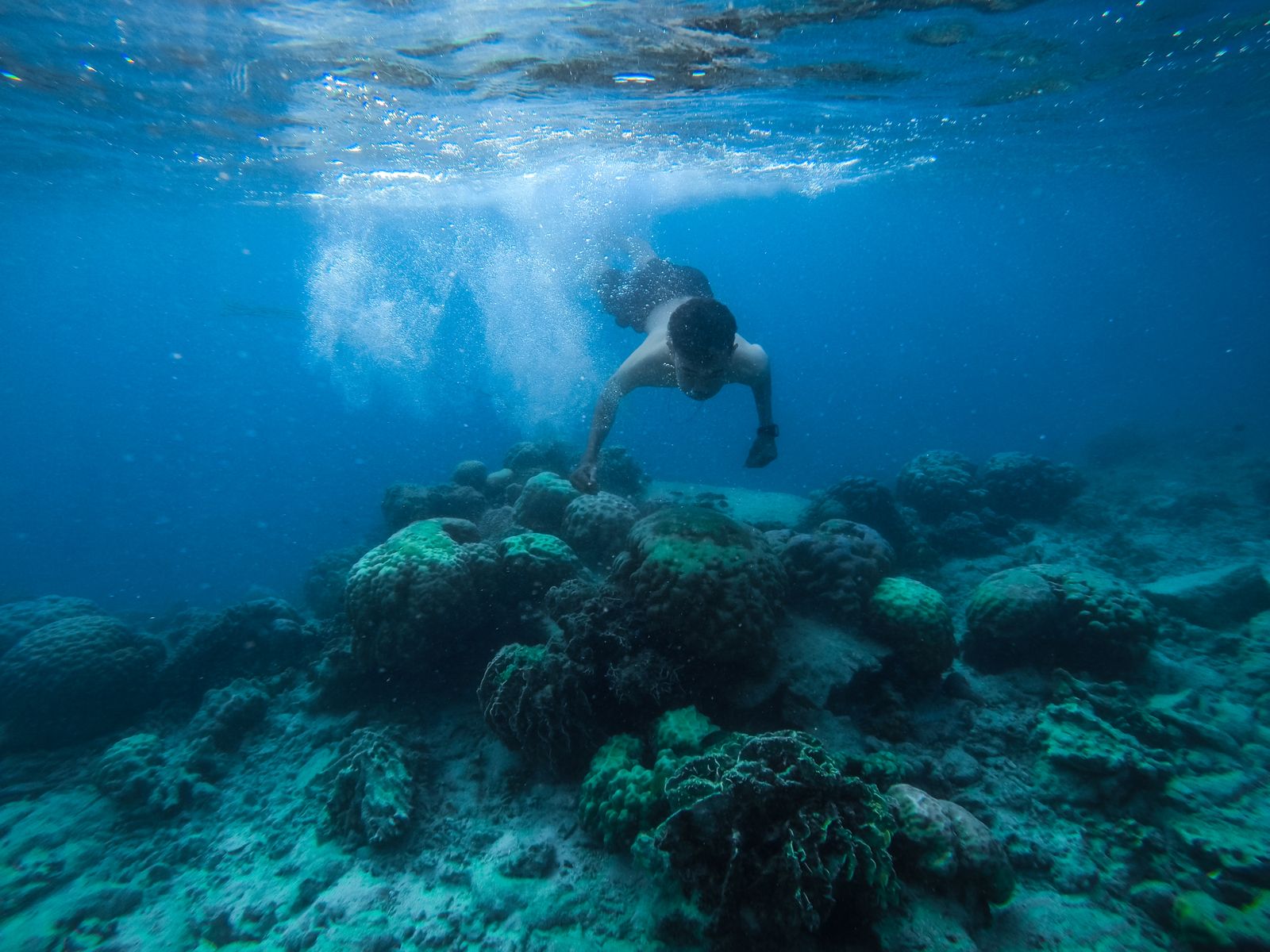
Molokini is a Marine Life Conservation District, and its little bay earns the protection: visibility that can exceed a hundred feet, a reef wall inside the crescent with hundreds of species of fish, and a back wall on the open-ocean side where the deep-water world drifts past. There is no shore, no dock, and no way to reach it except by boat — which is why the harbor at Maalaea, the closest full-service harbor to the crater, fills before dawn. The run out takes the better part of an hour on the big boats; on the way, in winter, you're crossing whale water the whole way.
The morning rule
Every schedule at this harbor is written by the trade winds. The funnel between Haleakalā and the West Maui Mountains is calmest in the early morning and rough by midday, so check-ins happen in the dark-adjacent hours and boats aim to be snorkeling before the chop builds and home before it's unpleasant. This is not a flaw in the product — the early water is the best water — but it means: book your Molokini trip early in your stay (so a weather day can be rebooked), take seasickness remedies the night before or well before boarding if you're prone (the channel crossing is the bouncy part), and don't schedule anything tight against the return.
Our picks, and how we pick them
These are the trips we can verify — the operator, the boat, and the check-in point all check out. We may earn a commission when you book through these links (see our disclosure); prices and schedules are the operator's and can change, so confirm the details on the booking page.
Molokini and Turtle Town by catamaran (about 5 hours)
The classic run: a big catamaran out of Maalaea Harbor pairs an hour or so inside Molokini Crater with a second stop at Turtle Town — or Coral Gardens, if the captain reads the day that way — to look for green sea turtles. Check-in is genuinely early, which is the price of the calm morning water. If your group wants the straightforward, full-service version of the crater trip — gear, food, and a stable ride handled — this is the benchmark the other boats are measured against. Check what's included (mask, fins, flotation, meals) and what the plan is if the crater is too rough; good operators have a sheltered backup site rather than a cancellation.
Check times & prices on Viator →Pacific Whale Foundation — Molokini & Turtle Arches Snorkel (5 hours)
The naturalists' version of the crater trip, run by the Pacific Whale Foundation out of a 54-foot catamaran: snorkel Molokini, then Turtle Arches, with a guided reef tour, a fish ID class, and crew who treat the trip as a floating classroom. The family math is famous — the Foundation runs a kids-go-free policy for young children with a paying adult, which can make this the cheapest quality boat in the harbor for families; confirm the current terms on the booking page. Two of the Foundation's own rules to know: only reef-safe sunscreen is allowed aboard (they sell it on the boat), and full-face snorkel masks are not permitted on their trips.
Check times & prices on Viator →Calypso — Molokini Snorkeling Adventure (5.5 hours)
The big-boat, big-family option: the Calypso is a triple-decker with a glass-bottom viewing room (the non-snorkeler in your group still sees the reef), two waterslides and a jumping platform for the kids, freshwater showers, and room for everyone to spread out. Molokini first, Turtle Town second, breakfast on the way out and lunch between stops. It carries the most passengers of the boats on this page, which is the honest trade: maximum amenities and stability, minimum intimacy. If your group spans toddlers to grandparents, this is usually the right hull.
Check times & prices on Viator →What about snorkeling from shore?
Honestly: not here. Maalaea's own water is a sandy bay over a working harbor's doorstep — fine for a morning swim at Sugar Beach, nothing to snorkel. The nearest shore snorkeling is down the Kihei coast and at the sheltered coves of Wailea, and West Maui's reefs are a half hour the other way; our sister sites Kihei.us and Kapalua.us cover those in detail. The crater is the snorkeling here, and it is worth the boat ride — that is precisely why this village exists.
Before you book anything
- Book the morning boats early in your trip. If weather cancels a day, you still have days left to rebook — and calm mornings are when these trips shine.
- Know the check-in, not just the boat name. Check-ins run 30–45 minutes before departure, at the slip or the Harbor Shops store named on your ticket. Harbor parking is paid — build the lot into your morning timing and budget.
- Seasickness is a planning item, not a surprise. The crossing to Molokini crosses open channel. If you're prone, take your remedy the night before or well before boarding, and pick the bigger hulls on this page.
- Reef-safe sunscreen only. Hawaii law bans oxybenzone and octinoxate sunscreens; the boats enforce it, and Pacific Whale Foundation allows no other kind aboard.
- Bring a towel and a dry layer. The ride home runs into the building trades — you'll be salt-sprayed and glad of a shirt you kept dry. Most boats are cashless for onboard purchases; gratuities for the crew are still cash-friendly.