Home → Beaches
Maalaea's beaches: one very long one, one very local one
Maalaea's shoreline doesn't do coves and postcards the way West Maui does. It does distance: the longest unbroken stretch of sand on Maui runs right out of the village, plus a small shaded park where the people who work the harbor actually spend their days off. Both reward the same strategy — go in the morning, before the trade winds turn the bay to whitecaps.
Sugar Beach — the long walk
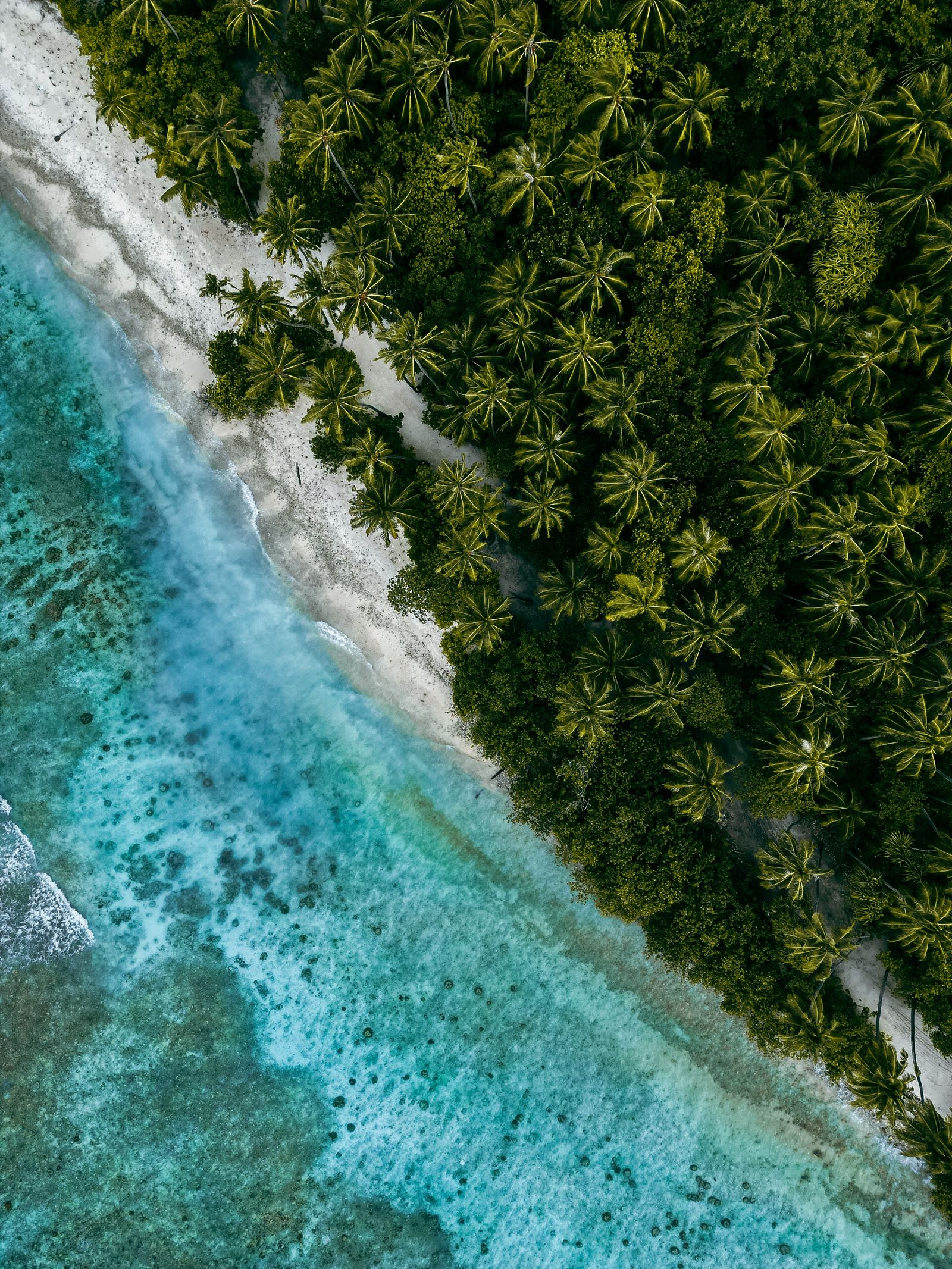
From the harbor's edge, the sand runs east toward Kihei for roughly three miles without a break — Sugar Beach, named for the sugar that once shipped from this coast, and part of a shoreline that continues, with interruptions, most of the way down the Kihei coast. It is Maui's great walking beach: wide, gently sloping, backed by kiawe trees and the condo row, with the West Maui Mountains on one shoulder and Haleakalā on the other. On a calm morning the water is clear and swimmable and you may share a mile of it with a dozen people. Turtles cruise the shallows, and in whale season the bay beyond the sand is one long parade of spouts.
Know its character, though. The bottom is sand, not reef — this is a walking, wading, and sunrise beach, not a snorkeling beach. The wind that makes Maalaea famous arrives most days by late morning, and by afternoon the surface is chopped and the sand can sting. And the kiawe trees behind the sand drop thorns: beautiful shade, but walk the treeline in sandals, not bare feet. Plan Sugar Beach the way locals do — an early swim, a long walk, and you're off the sand before the trades take it.
Haycraft Park — the local one
At the west end of the village, past the condos, Haycraft Park is Maalaea's small county beach park: a modest patch of sand and grass under big shade trees, with picnic tables, restrooms, and the unhurried feel of a neighborhood park that happens to sit on the ocean. This is where harbor crews and condo residents come for sunset, where families set up for the day on weekends, and where the village's low-key social life happens. The swimming is the same bay water as Sugar Beach — best in the morning calm — and the view runs straight across to the West Maui Mountains and the boats coming home. If you want to understand Maalaea rather than just visit it, spend an evening here.
The Kealia Pond boardwalk — the shoreline walk that isn't a beach
Just east of the village on North Kihei Road, the Kealia Coastal Boardwalk crosses the edge of Kealia Pond National Wildlife Refuge, a protected wetland that is one of Hawaii's most important bird habitats. The elevated boardwalk — an easy, flat stroll with interpretive signs — puts you between the pond and the sea: Hawaiian stilts and coots working the shallows on one side, Sugar Beach and the bay on the other, and in winter, migratory birds joining the residents. Go early or late for the best bird activity and the kindest light. It's free, it's quiet, and it's the single most underrated half hour in Maalaea. Stay on the boardwalk — the refuge is protected, and the birds are the point.
Worth the short drive
| Beach | Where | The honest summary |
|---|---|---|
| Kamaole Beach Parks I–III | ~10 min south, Kihei | South Maui's classic lifeguarded swim beaches — golden sand, grass parks, and the sunset crowd. When you want a swim beach with lifeguards and a scene, this is the run. Our sister site Kihei.us covers them in full. |
| Wailea's beaches | ~20 min south | A string of manicured crescent coves — Ulua, Wailea, Polo — with resort polish, good snorkeling on calm mornings, and a paved coastal walk tying them together. |
| Ka'anapali Beach | ~25–30 min west | Three miles of resort sand, the beachwalk, and Black Rock snorkeling — the full West Maui production. Our sister site Kaanapali.us covers it. |
| Kapalua Bay | ~40 min west | West Maui's sheltered snorkeling cove — the place to send a beginner for a calm, clear first snorkel. Our sister site Kapalua.us covers it. |
Know before you go
- No lifeguards at Maalaea's beaches. Sugar Beach and Haycraft Park are unguarded. Swim in the morning calm, near others, and if in doubt, don't go out — the lifeguarded beaches are ten minutes south in Kihei.
- The wind is the schedule. Calm water is a morning product here, most days of the year. By early afternoon the bay is typically rough and the beach is a walker's beach, not a swimmer's.
- All Hawaii beaches are public — including the sand in front of every condo on Hauoli Street. Signed access points and the condo-row shoreline path get you there.
- Kiawe thorns are real. The shade trees behind Sugar Beach drop long, sharp thorns that go through bare feet and cheap flip-flops. Wear sandals anywhere off the open sand.
- Turtles rest on this sand. Honu haul out on Sugar Beach to bask. Give them a wide berth — it's the law, and a resting turtle is a privilege to see, not a photo backdrop.
- Reef-safe sunscreen only. Hawaii law bans sunscreens with oxybenzone and octinoxate. It's stocked everywhere locally; buy it here and you can't get it wrong.