Home → Practical Maalaea
Practical Maalaea
The unglamorous page that saves trips: the famous wind and how to plan around it, the paid parking and dawn check-ins, getting around the crossroads, the groceries, and how to read this bay's water like someone who lives here.
The wind — Maalaea's defining fact
Maalaea sits in a gap. The trade winds that cross the Pacific hit Maui's isthmus and squeeze between two volcanoes — Haleakalā to the east, the West Maui Mountains to the west — and like a river through a canyon, the air speeds up. The result is one of the windiest harbors in the United States: on a typical trade-wind day the village is calm at dawn, breezy by ten, and genuinely blustery by early afternoon, with gusts that rattle lanai furniture and turn the bay white. Summer trades are the strongest and steadiest; winter brings more variety, including calm spells and Kona winds from the opposite direction.
The working rules:
- Mornings are the product. Every good plan in Maalaea — boats, beach, the boardwalk — is a morning plan. Schedule the water first and let the afternoon be flexible.
- Afternoons have their own uses. The Ocean Center, a harbor lunch in the lee of the shops, a nap, a drive to the lee side of something. Regulars don't fight the wind; they route around it.
- Secure the lanai. If you're staying on Hauoli Street, bring in the towels, the drying snorkel gear, and anything light before you leave for the day. The trades collect souvenirs.
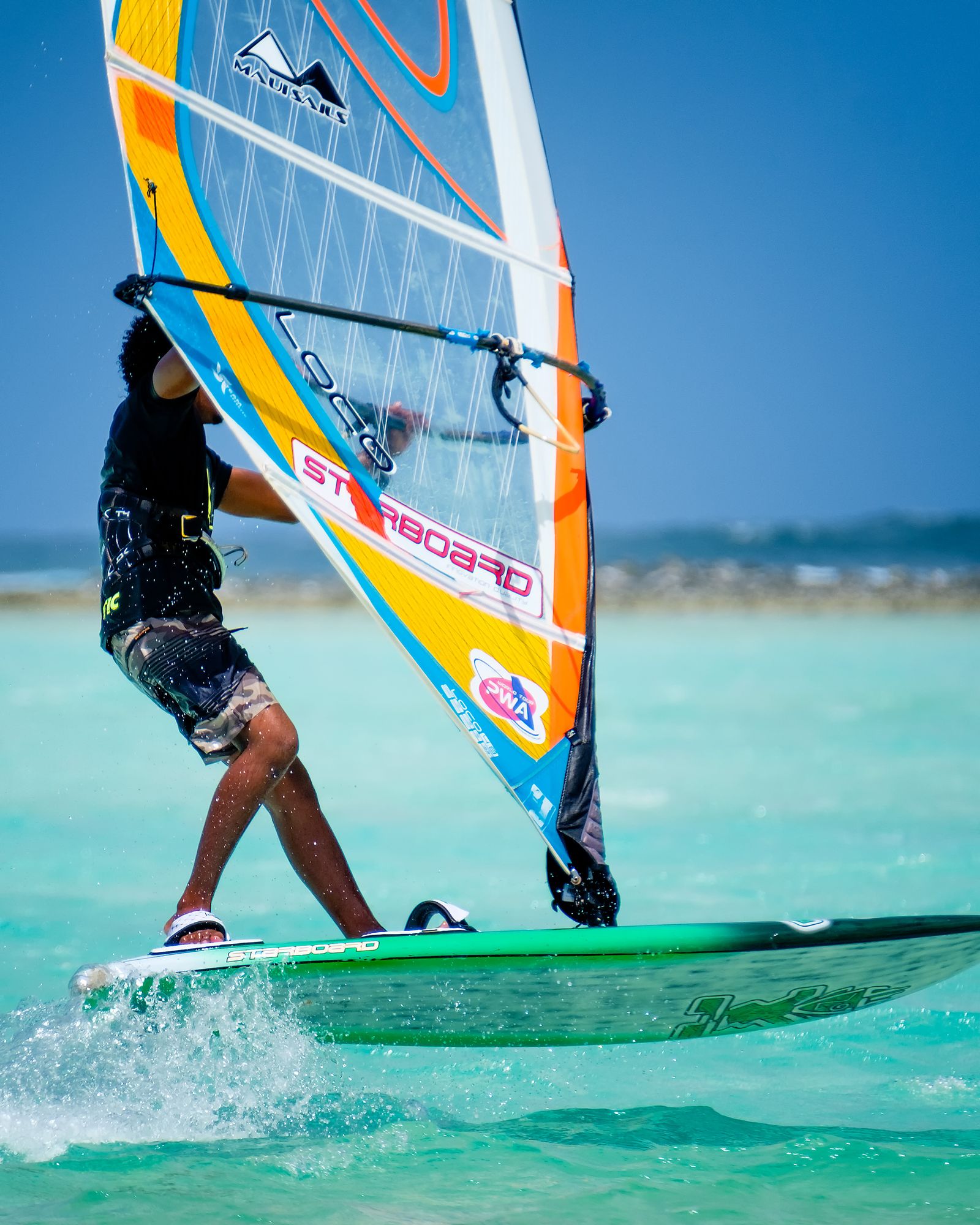
- Wind people, this is your page too. The bay's afternoon chop is a genuine windsurfing and kiting playground — the same funnel, read as a feature. Launch from the harbor end of Sugar Beach and give the boats and the harbor mouth a wide berth.
Harbor parking & boat check-ins
- Harbor parking is paid. The lots at the harbor and the Maui Harbor Shops charge by the hour or the day, paid at kiosks or by app/QR — and enforcement is real, because boat passengers fill them daily. Read the sign where you park, keep the receipt, and fold the cost into your boat-day budget.
- Check-ins are early and firm. Molokini boats check in 30–45 minutes before departure, and departures are early — 7:30 AM is a late one. The boats leave on time because the wind schedule leaves them no choice. Set the alarm, do the parking math the night before, and know whether your check-in is at a slip or at a Harbor Shops store.
- Staying in the village? Walk. Hauoli Street condos are a few minutes on foot from the slips — the single best reason to stay here on a boat-heavy trip.
Getting around
- Maalaea is a junction. Honoapiilani Highway (Route 30) runs west to Lahaina and the West Maui resorts; North Kihei Road (Route 310) runs south into Kihei; the highway east reaches Kahului and the airport (OGG) in about twenty minutes in normal traffic. The junction is why the village exists — and why it's such a good base.
- Driving times, honestly: Kihei about 10 minutes, Wailea about 20, Lahaina about 25, Ka'anapali about 30, Kapalua about 40, the airport about 20. The Pali — the cliff section of the highway west of the junction — is beautiful and slow after accidents; build slack into West Maui evenings and airport runs.
- Maui Bus serves the harbor area on its cross-island routes for budget-minded hops to Kihei, Kahului, and the West side; rideshare and taxis work, with the usual small-town caveat that late-night supply is thin — pre-book the airport run.
Groceries & supplies
- Maalaea General Store — the village's own store by the harbor: deli, coffee, cold drinks, and the everyday basics at small-store prices. For a condo's first night and a week's worth of picnics, it's enough.
- Real supermarkets: Kihei's grocery stores are ten minutes south on South Kihei Road; Kahului, twenty minutes east, has the island's full-service supermarkets and the warehouse stores for the big stock-up.
- Reef-safe sunscreen is Hawaii law — only mineral sunscreens without oxybenzone or octinoxate. It's stocked everywhere locally; buy it here and you can't get it wrong.
Ocean safety in Maalaea Bay
- No lifeguards here. Sugar Beach and Haycraft Park are unguarded. Swim in the morning calm, near others, never alone — and if you want a lifeguard, Kihei's Kamaole parks are ten minutes away.
- The harbor is a workplace, not a swimming pool. Never swim in the harbor or its entrance channel — boat traffic, propellers, and surge around the breakwater. Look at the boats from the shore; ride them from the dock.
- Afternoon water is expert water. The trade-wind chop and the currents it pushes are the bay's daily hazard. What was a bathtub at 8 AM can be a washing machine at 2 PM.
- South swells change Sugar Beach. In summer, south swells can build a real shorebreak on the sand. If the surf is up and you're not sure, watch first — or make it a walking day.
- Reef rules, even without much reef: look, don't touch; never stand on coral where you find it; give turtles and monk seals wide room — it's the law, and it's right.
The one-line version: be on the water by eight, off it by lunch, and let the wind have the afternoons. Do that, and Maalaea mostly takes care of itself.